Pool Fence Supplier in Pequannock, NJ: What to Buy Before You Build
If you’ve started shopping for a pool fence, you’ve probably noticed how fast the decision gets complicated. Height requirements, gate hardware, material tradeoffs, and the installer-versus-DIY decision all stack up before you’ve even picked a color.
My Fence & Railings 2 Go, a dedicated pool fence supplier, runs a fencing and railings showroom in Pequannock, supplying both DIY homeowners and contractors across northern New Jersey, and the difference between a fence that passes inspection and one that gets flagged usually comes down to decisions made before the first post goes in the ground.
Related: Chain Link Fence Options You Did Not Know Existed in Pequannock, NJ, and the Surrounding Areas

What Should You Look for in a Pool Fence Supplier?
Not every fence supplier stocks products built to meet pool enclosure requirements specifically. You want a supplier who knows, without guessing, which of their fence lines meet your municipality’s height and gap specifications for pool barriers, and who carries self-closing, self-latching gate hardware as a standard option rather than an add-on you have to special order.
Product Knowledge Matters More Than Inventory Size
A supplier with a huge catalog isn’t useful if the staff can’t tell you which specific products satisfy pool-code requirements. Look for a showroom where you physically see and touch panel spacing, gate mechanisms, and post spacing before buying, rather than ordering blind from a website photo.
Support for Both Diyers and Contractors
If you’re a homeowner tackling this yourself, ask what installation guidance the supplier provides, and whether they connect you with a local installer. If you’re a contractor, ask about volume pricing, delivery scheduling, and turnaround time on large orders, since a slow supplier stalls a job site fast.
What New Jersey Codes Apply to Pool Fencing?
New Jersey follows barrier requirements based on the Uniform Construction Code and the International Swimming Pool and Spa Code, which most municipalities adopt in some form. In practical terms, that generally means a minimum fence height, a maximum gap between the ground and the bottom of the fence, and specific rules for gate hardware and horizontal or vertical member spacing that prevent a child from climbing the fence like a ladder.
Gate Requirements Get the Most Scrutiny During Inspection
Self-closing and self-latching hardware, positioned high enough that a small child can’t reach it, is one of the most commonly cited issues during pool inspections. Buying gate hardware that’s rated for pool-code compliance from the start avoids a failed inspection and a return trip to swap it out later.
Local Requirements Often Add to the State Minimum
Some townships in Morris and Passaic counties add their own requirements on top of the state code, particularly around setback from the pool edge or additional alarm requirements on gates. Checking with your local building department before finalizing your fence order saves you from ordering the wrong height or gate style.
Which Material Actually Makes Sense for a Pool Fence?
Aluminum, vinyl, and chain link are the three materials most commonly used around pools in this part of New Jersey, and each comes with real tradeoffs. Aluminum resists rust and holds up well in wet, chlorinated environments, making it a common first choice for pool enclosures specifically. Vinyl offers a clean, low-maintenance look and never needs painting, though it becomes brittle in extreme cold after many winters. Chain link costs less upfront but rarely satisfies the visual preferences homeowners want directly around a pool, even when it meets code.
Aluminum Holds Up Best Against Pool Chemicals
Splashed pool water carries chlorine, and materials that corrode under repeated chemical exposure age faster near a pool than anywhere else on the property. Aluminum's rust resistance is a real practical advantage here, not just an aesthetic one.
Vinyl Needs a Cold-Weather Gut Check
If your fence sits in a spot that gets direct winter exposure, ask your supplier about their vinyl formulation's cold tolerance. Cheaper vinyl products crack after a few New Jersey winters, while higher-grade formulations hold up for decades.
Can You Install Your Own Pool Fence, or Do You Need a Contractor?
Plenty of homeowners install their own fencing, and My Fence & Railings 2 Go's showroom exists specifically to support that DIY process with in-person product guidance. That said, pool fencing carries code implications that a standard yard fence doesn't, so it's worth being honest about your own comfort level with getting gate hardware and spacing exactly right before you skip a professional installer.
DIY Works Well When the Site Is Straightforward
A flat yard with clear sightlines and no unusual grade changes is a reasonable DIY project for a homeowner comfortable with basic tools and post-setting. Complications arise on sloped sites or where the fence line has to work around existing hardscape.
Contractors Take on the Code Compliance Risk
Working with a contractor, or at minimum having a supplier walk you through code requirements before you order, shifts the responsibility for getting inspection-ready specs right onto someone who does this regularly instead of researching it once for your own project.
What Matters Most in a Self-Closing Gate and Latch?
The gate is the single most inspected component of a pool fence, and it's where DIY installs most often run into trouble. A self-closing hinge needs enough tension to reliably swing the gate shut every time, not just most of the time, and the latch needs to sit high enough on the gate that a young child standing at the base can't reach it.
Latch Height and Orientation Both Matter
Most codes specify a minimum latch height measured from the ground, and some require the release mechanism to face the pool side of the gate rather than the yard side, so a child on the outside can't reach through and release it. Buying hardware rated for these specifications from the start avoids a scramble to retrofit before an inspection.
Test the Mechanism Before You Finalize the Order
A hinge that feels stiff in a showroom loosens over months of use, and one that swings too freely fails to latch reliably in wind. Ask to see how the specific hardware performs after some use, not just how it feels brand new on display.
How Much Does a Pool Fence Cost From a Supplier Like This?
Material cost varies widely depending on aluminum versus vinyl versus chain link, the height required for pool compliance (often taller than a standard yard fence), and total linear footage around the pool area. Buying directly from a fencing and railings supplier rather than a general home improvement store typically gets you better per-foot pricing on the actual materials, plus access to gate hardware built specifically for pool compliance rather than generic residential latches.
Volume and Delivery Timing Affect Contractor Pricing
Contractors ordering for multiple job sites benefit from checking whether a supplier offers volume discounts and reliable delivery windows. A supplier that commits to a delivery date and sticks to it keeps a project schedule intact in a way that a vague "a few weeks out" estimate doesn't.
DIY Buyers Should Price the Whole Project, Not Just Panels
Posts, concrete, gate hardware, and any transition pieces where the pool fence meets an existing yard fence all add to the total beyond the per-panel sticker price. A supplier who walks through a full materials list before you buy prevents a surprise second trip mid-project.
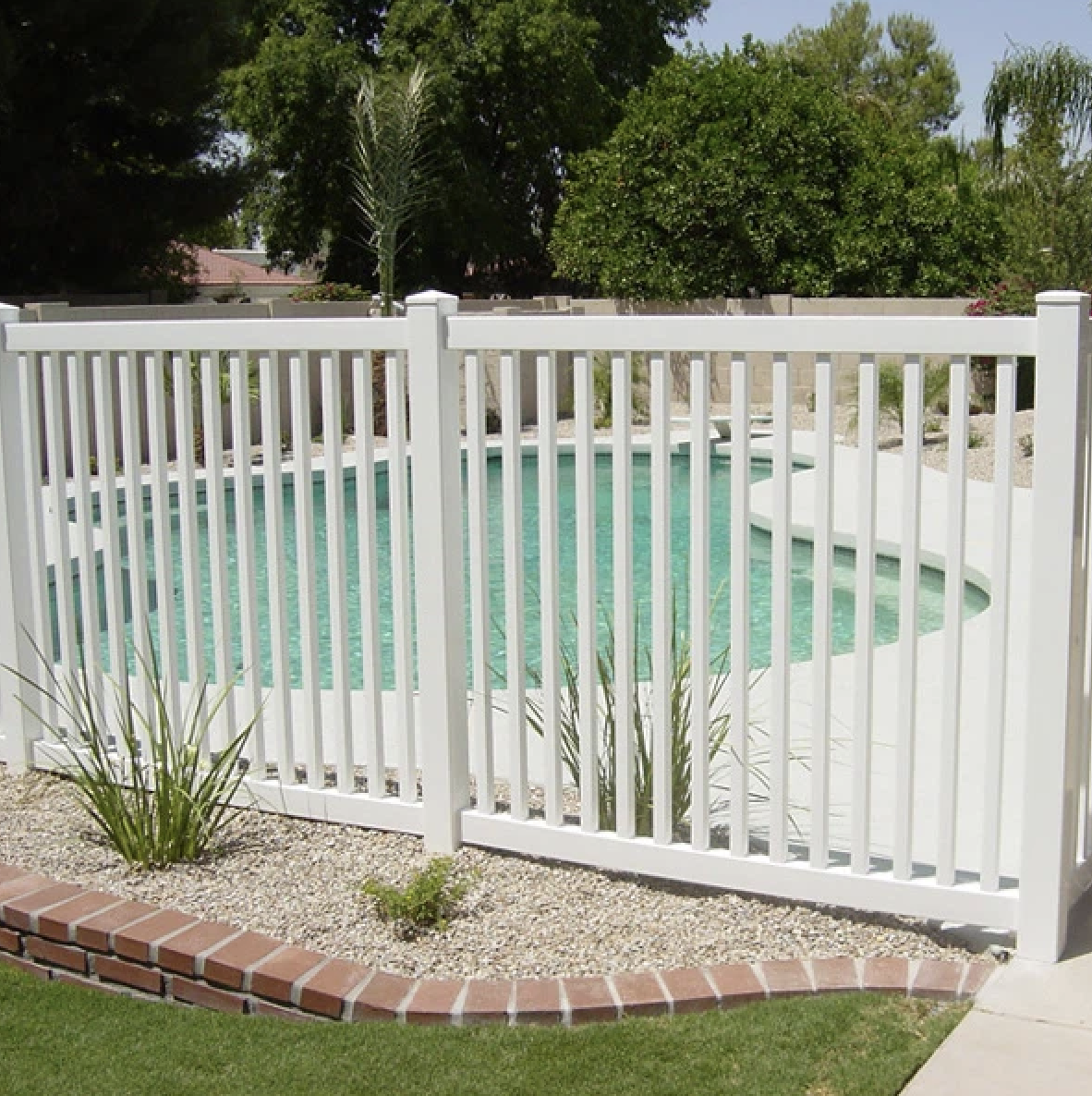
What Should You Check Before Finalizing Your Order?
A few practical steps before placing a pool fence order save time and prevent a failed inspection down the line. Confirm your exact property lines and any easements before ordering, since a fence installed even a few inches over a line creates a dispute that's far more expensive to resolve than getting a survey up front. Confirm your municipality's specific pool code requirements directly with the local building department rather than relying solely on general state guidelines, since some townships add stricter rules.
Measure Twice, and Measure the Actual Grade
A sloped yard changes how fence panels need to be cut or racked to follow the ground level while keeping the top rail level. Bringing accurate measurements, including any grade changes around the pool area, to your supplier avoids ordering panels that don't fit the actual terrain.
Ask About Warranty Coverage on Hardware Specifically
Panels often carry a longer warranty than gate hardware, which takes more mechanical wear from daily opening and closing. Knowing what's covered, and for how long, on the hinges and latch specifically matters more for a pool gate than it would for a decorative yard fence gate that gets used far less often.
How Does a Pool Fence Work With Existing Yard Fencing?
Most properties already have a perimeter fence before a pool goes in, and the pool fence usually needs to connect into that existing line rather than stand entirely separate. Matching material and height where the two meet keeps the property looking intentional instead of like two unrelated projects bolted together, and it avoids leaving a gap at the transition point that defeats the purpose of the barrier in the first place.
Transition Points Need the Same Code Compliance as the Rest of the Fence
A gap where a pool fence meets an existing yard fence is exactly the kind of detail an inspector checks closely, since it's a common spot for corners to be cut. Confirming with your supplier how the two fence lines tie together, down to the specific hardware used at the connection, closes that gap before it becomes a problem.
Mixed Materials Are Workable if Planned Deliberately
An aluminum pool fence connecting into a wood or vinyl perimeter fence works fine visually and structurally as long as the transition is planned rather than improvised on site. Bringing photos of your existing fencing to the supplier before ordering lets them recommend compatible post caps, colors, and connection hardware.
What Questions Should You Ask Before You Sign Off on an Order?
A short list of questions before finalizing your order catches most of the problems that surface later. Ask which specific product line meets your municipality's pool code, not just the general residential line. Ask what the lead time looks like for the exact panel style and gate hardware you want, since custom colors or finishes sometimes take longer than standard black or bronze. Ask whether the quoted price includes delivery, or whether that's billed separately once your order is ready.
Get the Code Answer in Writing Where Possible
A verbal assurance that a product "should" meet code is worth less than a spec sheet or written confirmation you keep on file. If a pool inspection ever gets questioned, having documentation that ties the installed product to a code-compliant spec protects you.
Ask What Happens if a Panel Arrives Damaged
Delivery damage happens occasionally with any supplier, and knowing the replacement policy before you need it saves a frustrating back-and-forth mid-project. A supplier confident in their process answers this question directly rather than deflecting it.
Should You Buy Premium Hardware Even if It Costs More?
Standard gate hardware often meets minimum code requirements, but premium self-closing hinges and latches typically hold up longer under the daily wear of a pool gate that gets opened dozens of times each summer. Since the gate is the single component inspectors scrutinize most, and the piece most likely to fail with heavy use, spending more on hardware here tends to pay off compared to cutting the budget on the least visible part of the fence.
Weigh Hardware Cost Against Replacement Hassle
Replacing a failed hinge or latch mid-season means pulling the gate, ordering a part, and possibly failing a re-inspection if a code enforcement officer happens to check during the gap. Buying hardware rated for heavy daily use up front avoids that entire scenario.
Frequently Asked Questions
How tall does a pool fence have to be in New Jersey?
New Jersey’s barrier requirements, based on the Uniform Construction Code and the International Swimming Pool and Spa Code, generally call for a minimum barrier height with a limited gap at the bottom and specific spacing so a child can’t climb it. Some Morris and Passaic County towns add stricter rules. Confirm the exact height with your local building department before ordering, since a fence that’s an inch short can fail inspection.
Can I buy the pool fence myself and have someone else install it?
Yes. My Fence & Railings 2 Go supplies both DIY homeowners and contractors, so you can source pool-code-ready materials from the Pequannock showroom and hand them to your own installer. Bringing your installer’s measurements and your municipality’s requirements to the showroom up front means the panels, posts, and gate hardware are all correct before anyone starts digging.
What’s the most low-maintenance pool fence material?
Aluminum. It resists rust in wet, chlorinated conditions, never needs painting, and holds up through New Jersey winters better than most alternatives. Vinyl is also low-maintenance but should be spec’d in a cold-tolerant formulation. Chain link costs less but rarely gives the look homeowners want directly around a pool.
Do you deliver pool fence materials to job sites in northern New Jersey?
Contractors ordering for multiple jobs can ask the showroom about volume pricing and delivery windows. A supplier that commits to a delivery date and holds it keeps a job schedule intact, which matters far more than a vague “a few weeks out.” Confirm delivery terms and whether it’s included in the quote before you order.
What’s the difference between a pool fence and a regular yard fence?
A pool fence has to meet safety-barrier code: a minimum height, limited ground gap, climb-resistant spacing, and self-closing, self-latching gate hardware with the latch out of a child’s reach. A standard yard fence has none of those requirements. That’s why gate hardware and panel spacing rated specifically for pool compliance matter more here than on an ordinary perimeter fence.
Ready to Find the Right Fence for Your Pool?
DIY homeowner or contractor sourcing material for a client’s job, My Fence & Railings 2 Go’s Pequannock showroom has the pool-code-ready products and the staff knowledge to get your order right the first time. Contact My Fence & Railings 2 Go to talk through your pool fence project.
Related: Monmouth County, NJ Residents: A Guide to Choosing Fencing Materials